

 English

PP Filter Cloth for Sludge Dewatering
Home / Products / Polypropylene Filter Cloths / Polypropylene Filament Fiber Filter Cloths / PP Filter Cloth for Sludge Dewatering
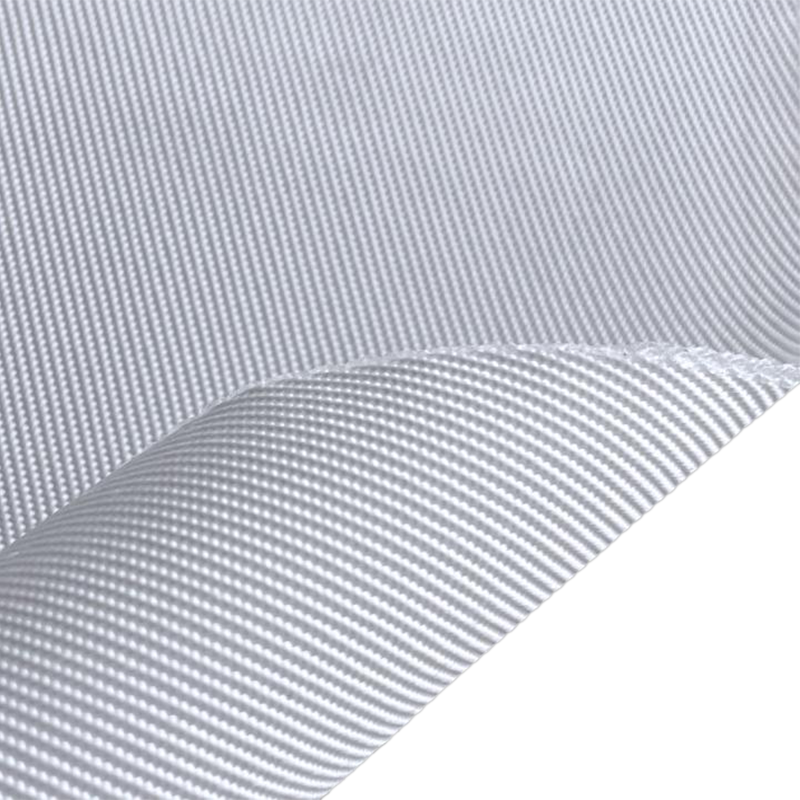
PP Filter Cloth for Sludge Dewatering
PP Filter Cloth for Sludge Dewatering serves filtration equipment handling sludge, sediment, and industrial wastewater. The cloth is suitable for plate-and-frame presses used by wastewater treatment, chemical, metallurgy, and sugar-processing facilities.
- Specifications
- Applications
- Core Features
- OEM Custom Service
- Production Service
- FAQ
| Specification | Details |
| Model / Item No. / Order No. | 750B |
| Brand | Aiye |
| Material | Polypropylene |
| Filter Cloth Type | Monofilament Filter Cloth |
| Construction | Single Layer |
| Weave | Twill Weave |
| Unit Weight | 475 g/m² |
| Thickness | 0.97 mm |
| Warp Density | 291 threads / 10 cm |
| Weft Density | 126 threads / 10 cm |
| Air Permeability | 38.93 L/m²·s |
| Type | High Efficiency |
| Performance | Alkali Resistant, Low Temperature Resistant, High Temperature Resistant, Acid Resistant |
| Filter Media Included | No |
| Suitable Material | Water |
| Application | Solid-Liquid Separation |
| Suitable Industries / Equipment | Sugar Processing, Filters, Water Pumps, Oil Tanks, Water Purifiers, Medical Applications, Air Purifiers, Centrifuges, Filter Jugs |
| Customization | Available |
PP Filter Cloth for Sludge Dewatering supports solid-liquid separation in demanding industrial processes.
Sludge Dewatering: PP Dewatering Filter Cloth supports water drainage from sludge under press filtration.
Wastewater Treatment: The smooth monofilament surface helps reduce particle embedding during repeated filtration.
Chemical Processing: Sludge Filter Cloth provides suitable acid and alkali resistance for chemical wastewater.
Metallurgy: PP Dewatering Filter Cloth can handle solid-liquid separation in metal-processing wastewater.
Industrial Procurement: Suitable for filtration suppliers, equipment distributors, contractors, and wastewater-treatment plants.
High Permeability: 38.93 L/m²·s air permeability supports efficient moisture passage during dewatering.
Smooth Monofilament Surface: Single-filament yarn creates a relatively smooth surface that helps reduce particle retention in the fabric.
Stable Twill Structure: 291 warp and 126 weft threads per 10 cm provide a consistent woven structure.
Controlled Thickness: 0.97 mm thickness provides a stable filtration layer for press equipment.
Balanced Fabric Weight: 475 g/m² provides sufficient fabric density for repeated sludge filtration.
Wide Temperature Resistance: Polypropylene supports acid, alkali, low-temperature, and high-temperature operating conditions.
PP Filter Cloth for Sludge Dewatering can be adjusted according to press dimensions and sludge characteristics.
Size & Sewing: PP Dewatering Filter Cloth supports customized width, cutting size, filter-bag dimensions, and sewing structures.
Material Options: PP, PET, PA, PTFE, aramid, and fiberglass can be selected for different conditions.
Functional Treatment: Sludge Filter Cloth can receive anti-static, water-and-oil repellent, or PTFE membrane treatment.
Performance: Permeability, pore size, tensile strength, temperature, and chemical resistance can be adjusted.
Development: Samples, drawings, and operating conditions can be reviewed; new project assessment takes 1–3 days.
PP Filter Cloth for Sludge Dewatering is produced with material screening, process inspection, and finished-product testing.
Material & Process Control: Raw materials are checked for composition and strength; weight, thickness, and breaking strength are monitored during production.
Final Inspection: Dimensions, tensile strength, permeability, temperature resistance, and appearance are tested before shipment.
Quality Systems: ISO 9001, ISO 14001, and ISO 45001 support batch traceability; RoHS and REACH reports can be provided.
Lead Time: Samples take 7–10 days; production generally requires 20–30 days, excluding transportation.
Trade Terms: T/T with 30% deposit and 70% balance before shipment; MOQ can be arranged by set, roll, or other quantities. Sea, air, express, and rail shipping are available, including DDP/DDU for many destinations.
1. What type of sludge is suitable for this filter cloth?
It can be used for industrial sludge, sediment, and wastewater solids, with selection based on actual material conditions.
2. How does the monofilament structure affect dewatering?
The smooth yarn surface helps reduce particle embedding and supports easier cloth cleaning after filtration.
3. Can PP Dewatering Filter Cloth be used in a plate-and-frame press?
Yes. Its woven structure is suitable for press filtration and can be processed according to equipment dimensions.
4. What factors affect filter-cloth selection?
Sludge characteristics, chemical conditions, temperature, press size, required permeability, and operating pressure should be considered.
5. How does Sludge Filter Cloth support repeated operation?
The 0.97 mm thick twill fabric combines a stable weave with monofilament yarn to withstand repeated filtration and handling.
Recommended Products
-
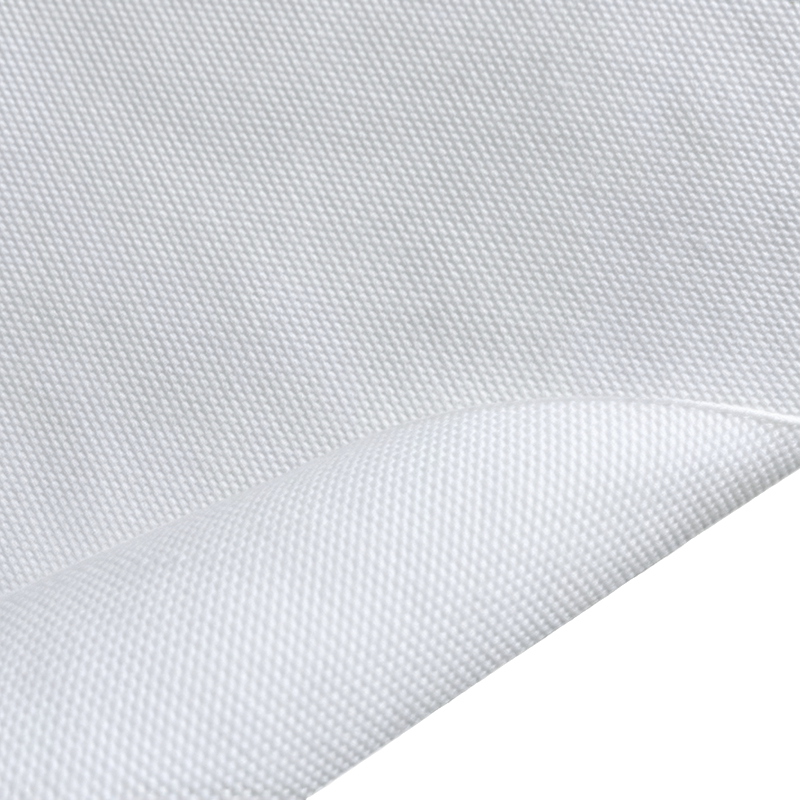
 Polyester 3927
Polyester Monofilament Filter Cloth for Industrial Press Filtration
-
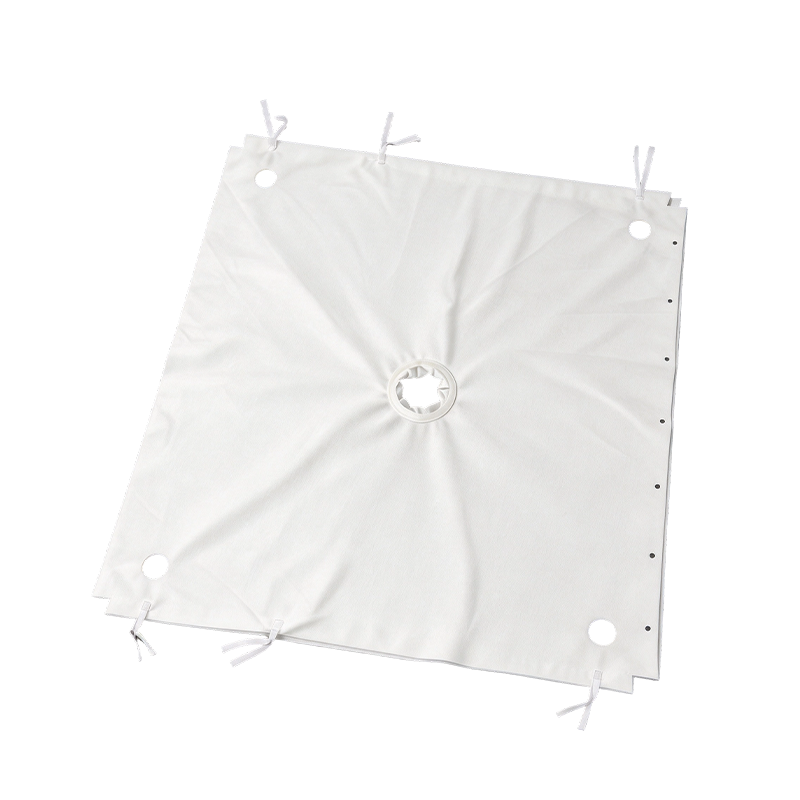 Polyester 3928
Monofilament Polyester Filter Cloth for Plate Filter Press
-
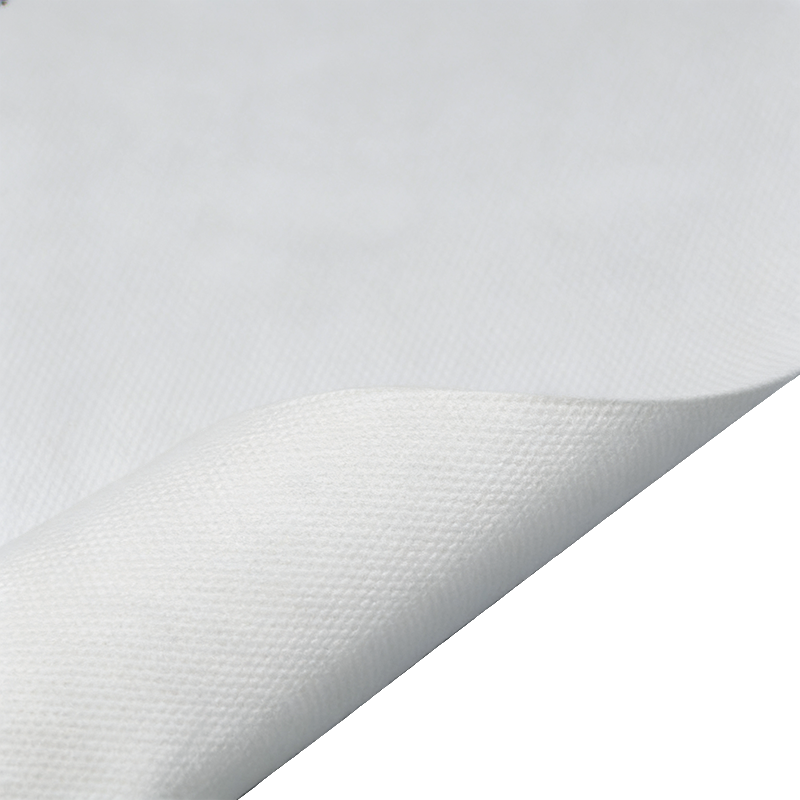 Polyester 621
Plain Weave Polyester Multifilament Filter Cloth
-
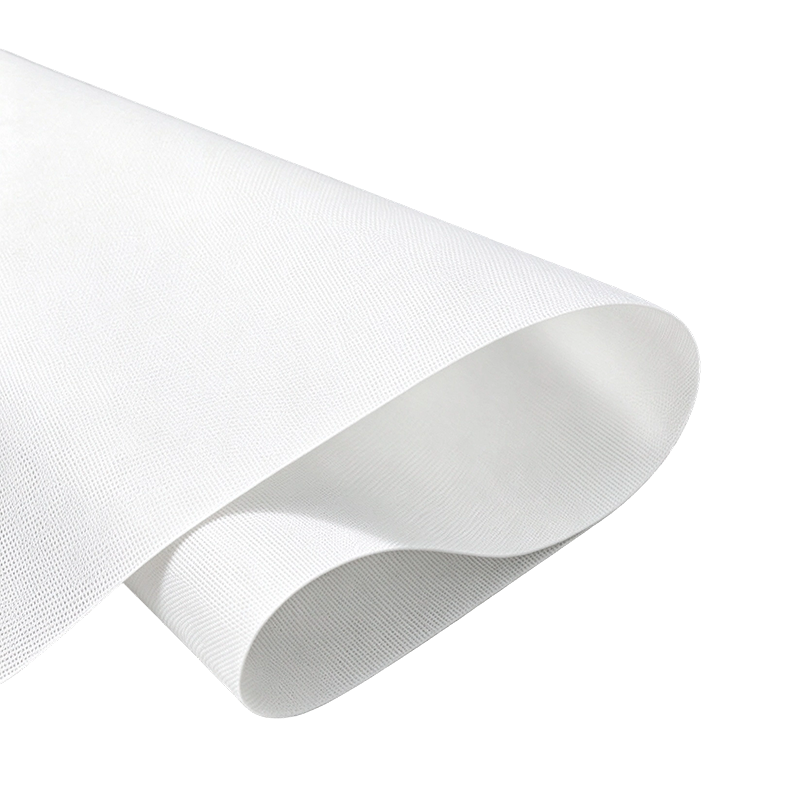 Polypropylene 750A
Plain Weave PP Multifilament Sludge Filter Cloth
-
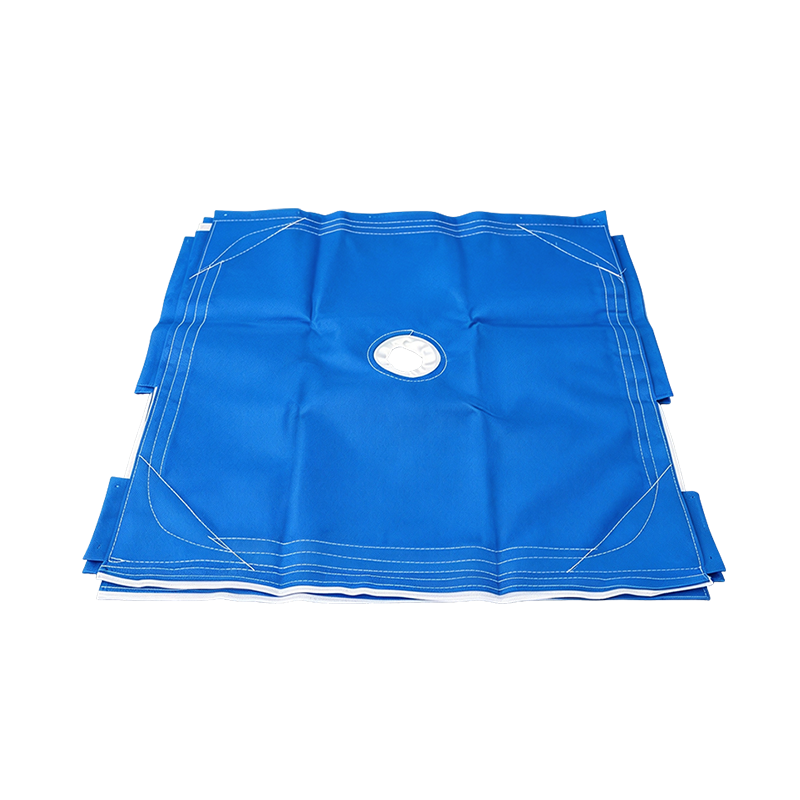 PAG61225
Blue Nylon Monofilament Filter Cloth for Industrial Presses
-
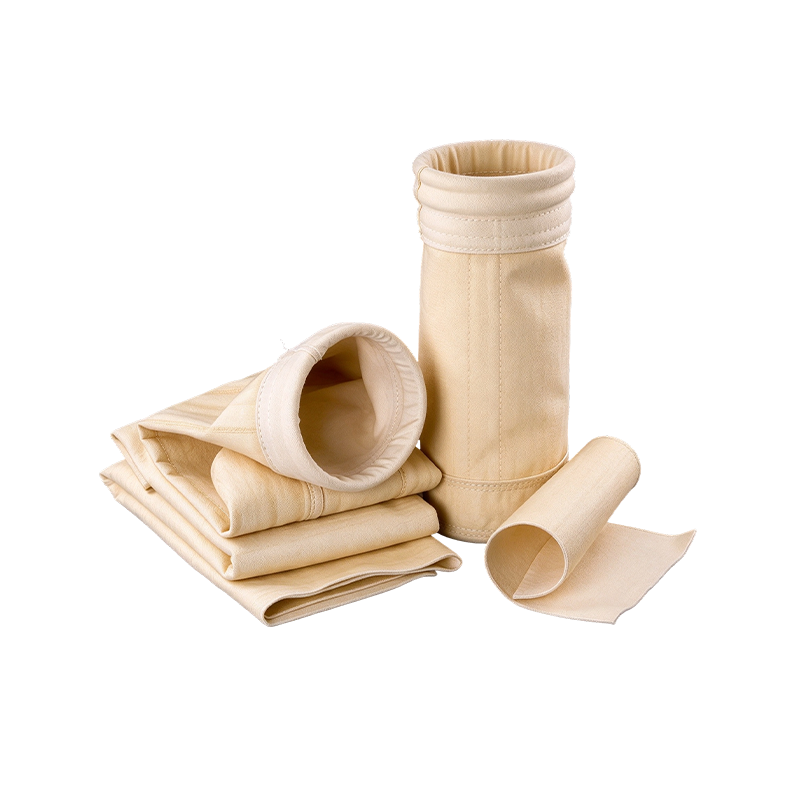 Aramid/Nomex Dust Collection Filter Bags
Aramid Nomex Dust Filter Bag for High Heat
-
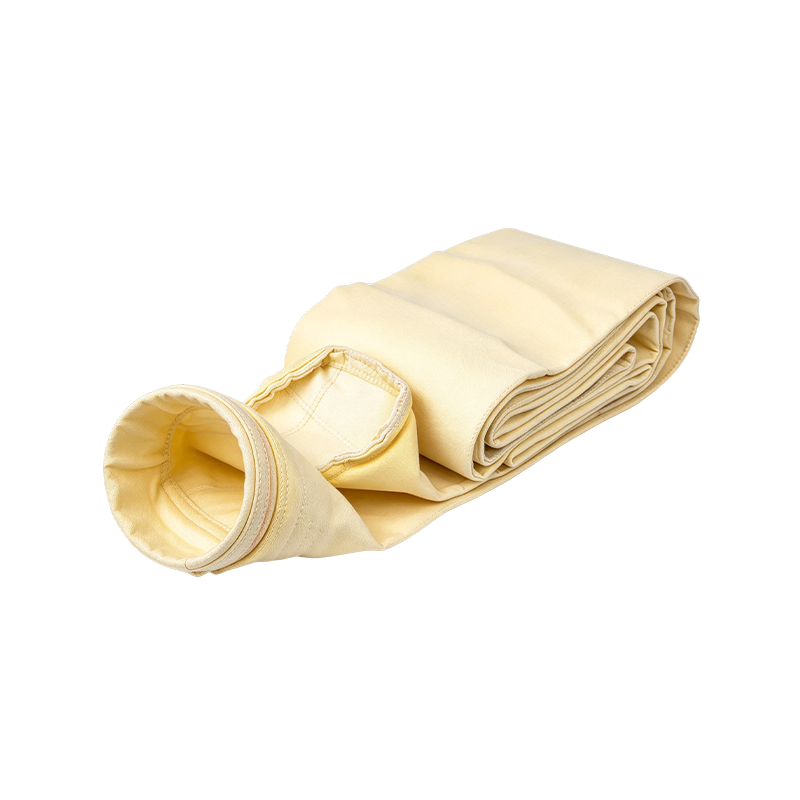 Fiberglass Dust Collection Bags
High Temperature Fiberglass Dust Filter Bag
-
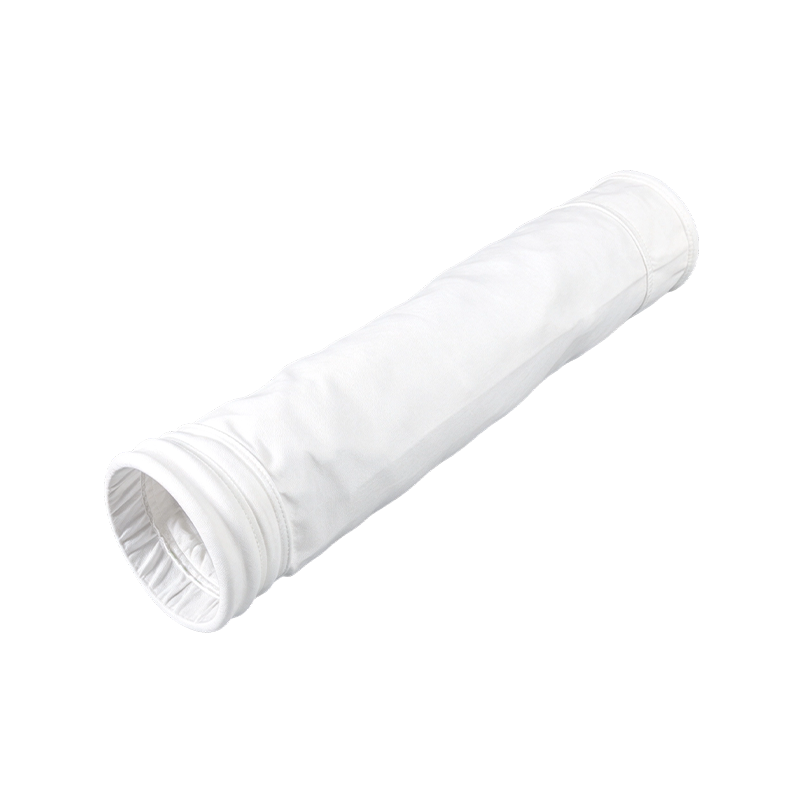 PTFE Dust Collection Filter Bags
Corrosion Resistant PTFE Dust Filter Bag
-
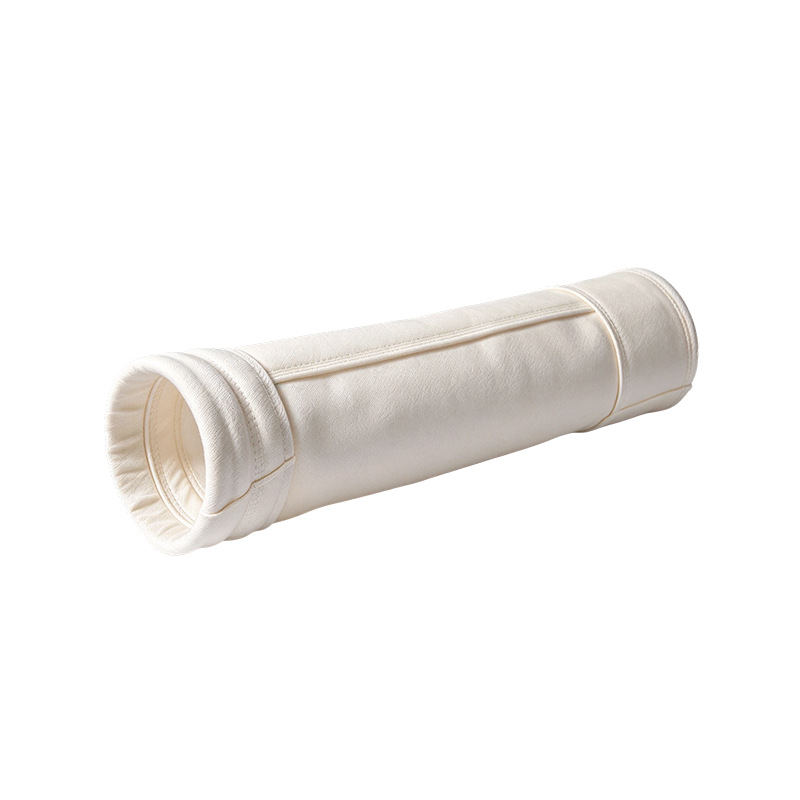 Acrylic Dust Collection Bags
Acrylic Nonwoven Dust Filter Bag for Baghouse Systems
-
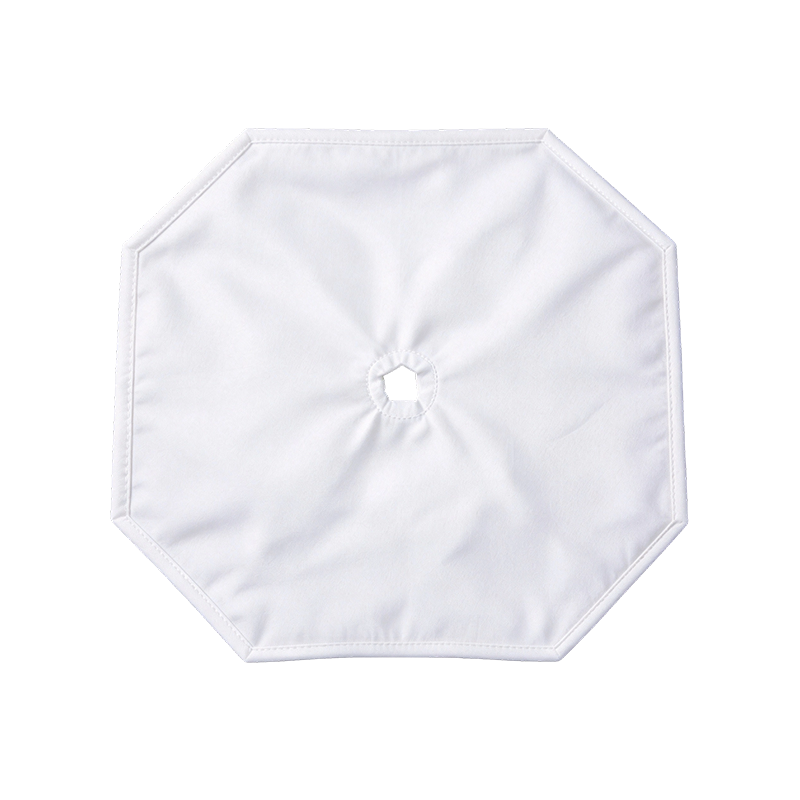 Polypropylene Octagonal Bags
PP Multifilament Recessed Octagonal Filter Bag
-
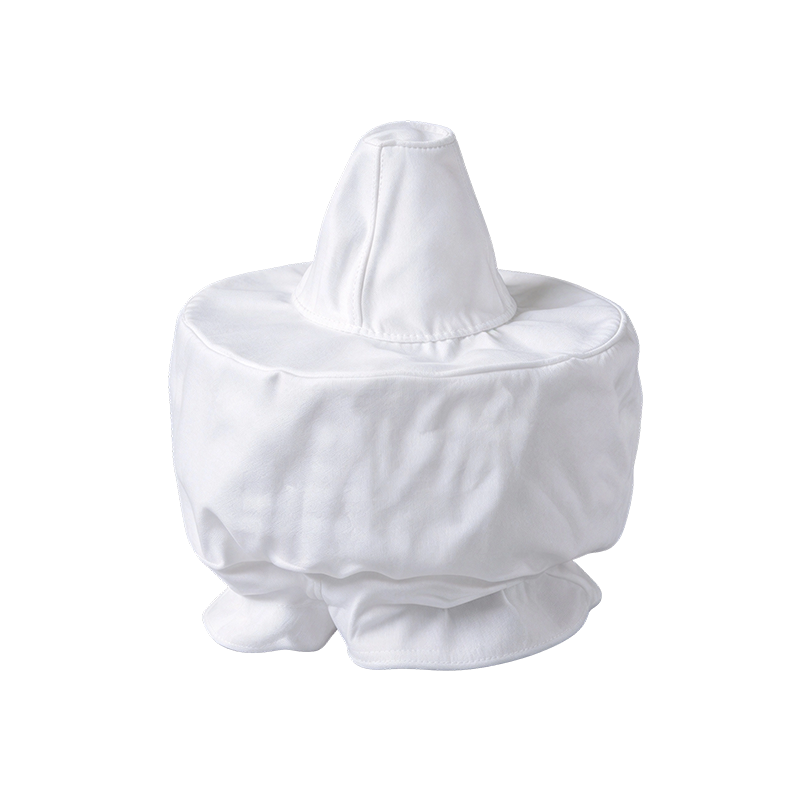 Centrifuge Bags
PP PE Centrifuge Filter Bag for Solid Liquid Separation
-
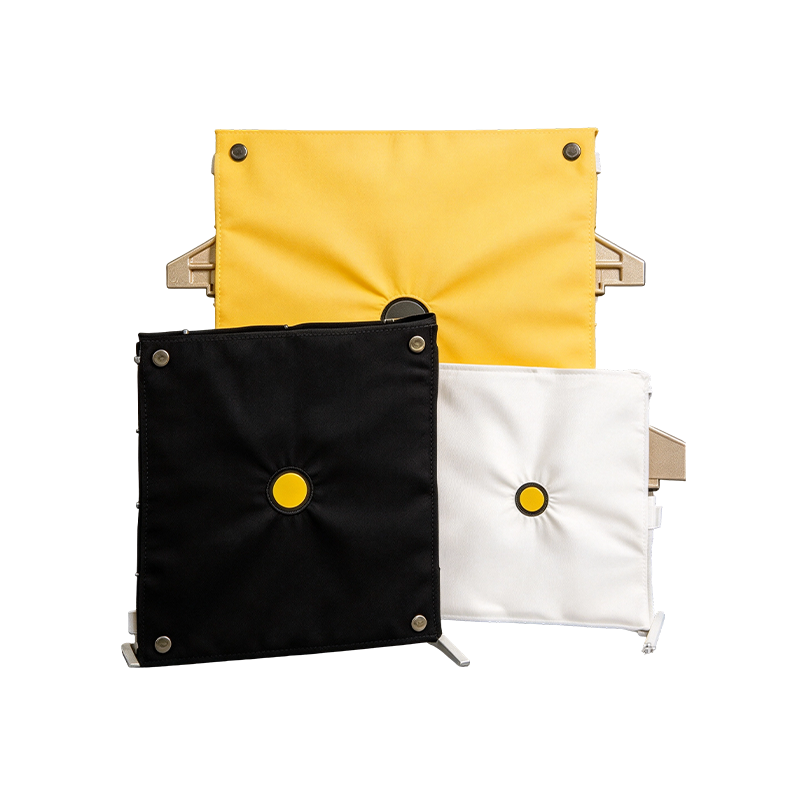 Coated Filter Media
Grommeted Filter Cloth with Center Feed Hole

AIYE FILTER CLOTH MAKING FILTRATION MORE EFFICIENT
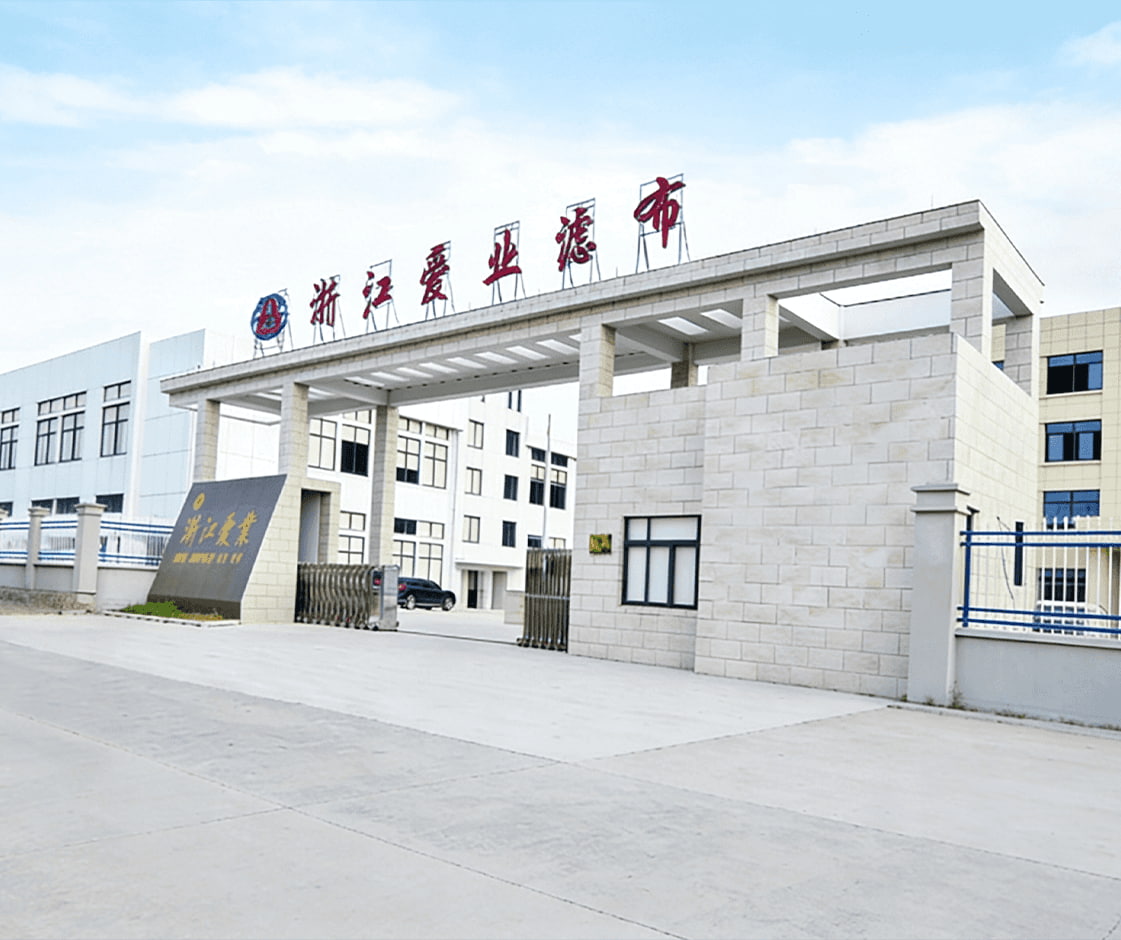
SINCE 2001
Ready to Begin?
Get in Touch

Now!
Product Categories
Contact Us

miggle@aiyefiltercloth.com
mona@aiyefiltercloth.com
mira@aiyefiltercloth.com

(+86)13515763955

No. 35 Huaqian Avenue, Pingqiao Town, Tiantai County, Taizhou, Zhejiang, China
