

 English

Aramid Nomex Dust Filter Bag for High Heat
Home / Products / Dust Filter Bags / Aramid Nomex Dust Filter Bag for High Heat
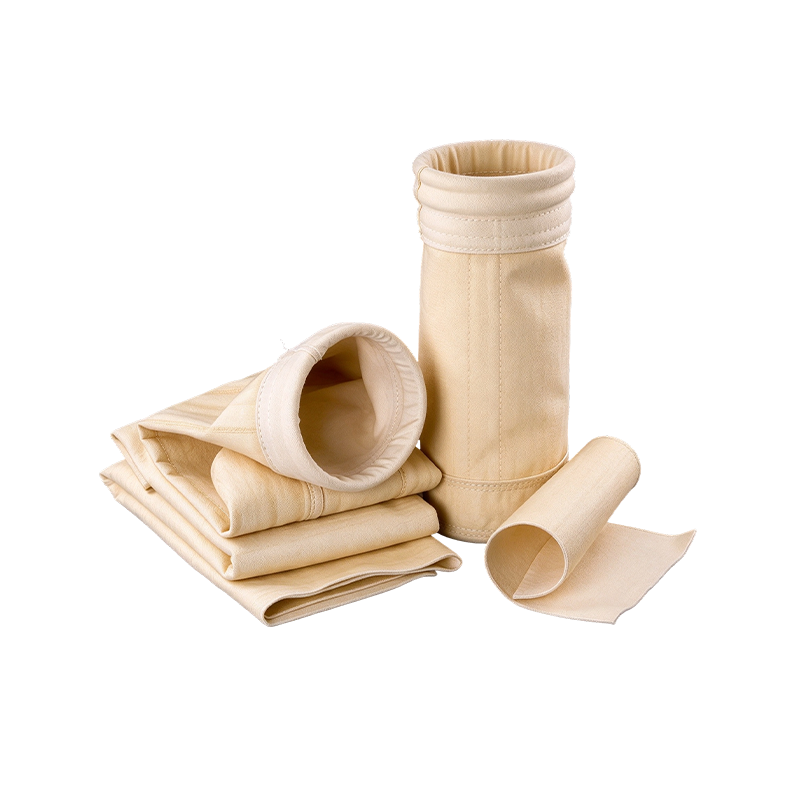
Aramid Nomex Dust Filter Bag for High Heat
Aramid Nomex Dust Filter Bag for High Heat gives dust-control equipment suppliers and industrial procurement teams a filtration option for hot flue-gas applications. The needle-punched aramid nonwoven media combines thermal stability, abrasion resistance, and particle capture for baghouse gas-solid separation in demanding industrial environments.
- Specifications
- Applications
- Core Features
- OEM Custom Service
- Production Service
- FAQ
| Specification | Details |
| Model | Nomex Aramid Dust Collection Filter Bag |
| Brand | Aiye |
| Material | Aramid (Nomex) |
| Filter Bag Type | Nonwoven Filter Bag |
| Manufacturing Process | Needle Punched |
| Type | High Efficiency |
| Performance | High Temperature Resistant, Good Thermal Stability, Wear Resistant |
| Filter Media Included | No |
| Suitable Material | Dust |
| Application | Gas-Solid Separation |
| Suitable Equipment / Industries | Baghouse Dust Collectors, Industrial Flue Gas Dust Collection Equipment |
| Specifications | Custom Sizes Available |
| Customization | Available |
Aramid Nomex Dust Filter Bag for High Heat can be specified by equipment manufacturers, contractors, and plant operators for:
Cement Production: A Nomex Filter Bag handles dust-laden hot gas from cement processing and related exhaust systems.
Metallurgy: Suitable for abrasive particulate streams generated during metal processing.
Chemical Plants: An Aramid Dust Filter Bag supports dust separation where heat and chemical exposure are present.
Waste Incineration: Suitable for high-temperature exhaust filtration and continuous particulate collection.
Thermal Stability: Nomex aramid nonwoven material maintains its filtration structure in high-heat flue-gas applications.
Abrasion Resistance: Aramid fibers provide resistance to particle impact and mechanical wear during continuous dust collection.
Needle-Punched Structure: Interlocked fibers create a dense filtration layer that supports stable particle retention.
Gas-Solid Separation: The nonwoven fiber network captures suspended dust while allowing treated gas to pass through the media.
Stable Filtration: The combination of heat stability and wear resistance supports consistent operation in demanding baghouse environments.
Aramid Nomex Dust Filter Bag for High Heat can be configured around baghouse dimensions and operating conditions.
Size: Customize bag diameter, length, opening, and filter-cloth width. Nomex Filter Bag dimensions can match existing equipment.
Sewing: Adjust stitching, reinforcement, sealing, and connection structures.
Performance: Adjust permeability, pore size, tensile strength, temperature, and acid/alkali resistance.
Functional Options: Anti-static, water/oil-repellent, and PTFE membrane treatments are available.
Material Selection: PET, PP, PA, aramid, PTFE, and fiberglass can be selected for different filtration conditions.
Branding: Logo, product labels, and packaging marks can be prepared.
Aramid Nomex Dust Filter Bag for High Heat is manufactured with controlled material preparation, needle punching, bag sewing, and batch inspection.
Inspection: Each batch is checked for tensile strength, air permeability, temperature resistance, and filtration performance.
Quality System: ISO 9001, ISO 14001, and ISO 45001 systems are maintained, with RoHS and REACH reports available.
Lead Time: Samples take 7–10 days; regular production takes 20–30 days, excluding transportation.
Trade Terms: T/T 30% deposit and 70% balance before shipment; sea, air, express, and rail shipping are available.
1. What operating conditions suit a Nomex Filter Bag?
It is suitable for hot flue gas and dust-collection systems requiring thermal stability and abrasion resistance.
2. What is the main material of this filter bag?
The filter media uses Nomex aramid needle-punched nonwoven material.
3. What type of dust separation does it provide?
It is used for gas-solid separation in industrial baghouse systems.
4. Can the bag be matched to existing equipment?
Yes. Dimensions and sewing structures can be adjusted according to equipment requirements.
5. Is an Aramid Dust Filter Bag suitable for abrasive dust?
Yes. Its aramid fiber structure provides wear resistance for dust streams containing abrasive particles.
Recommended Products
-
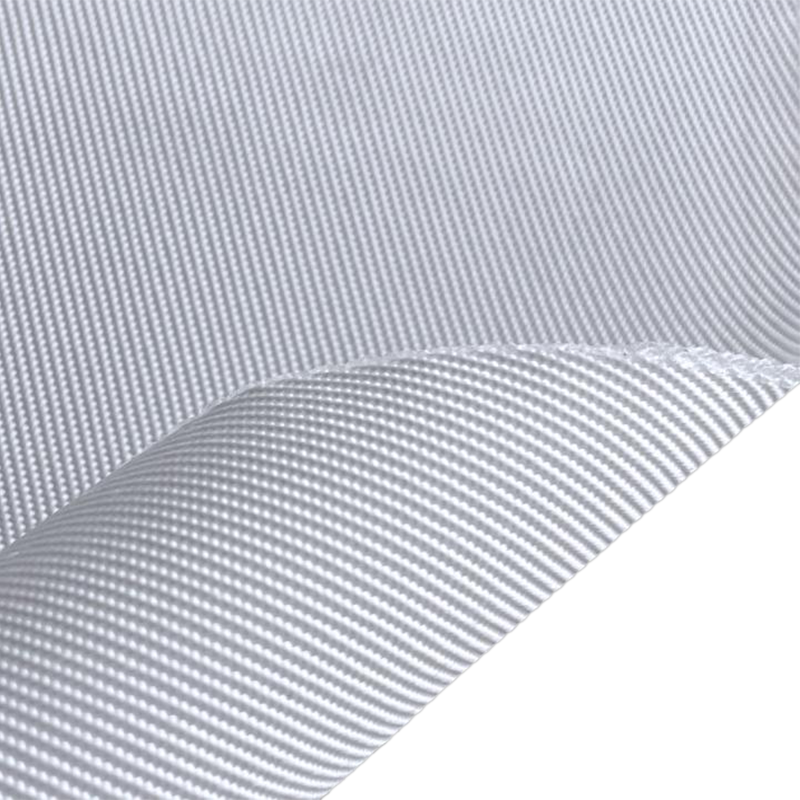
 Polypropylene 750B
PP Filter Cloth for Sludge Dewatering
-
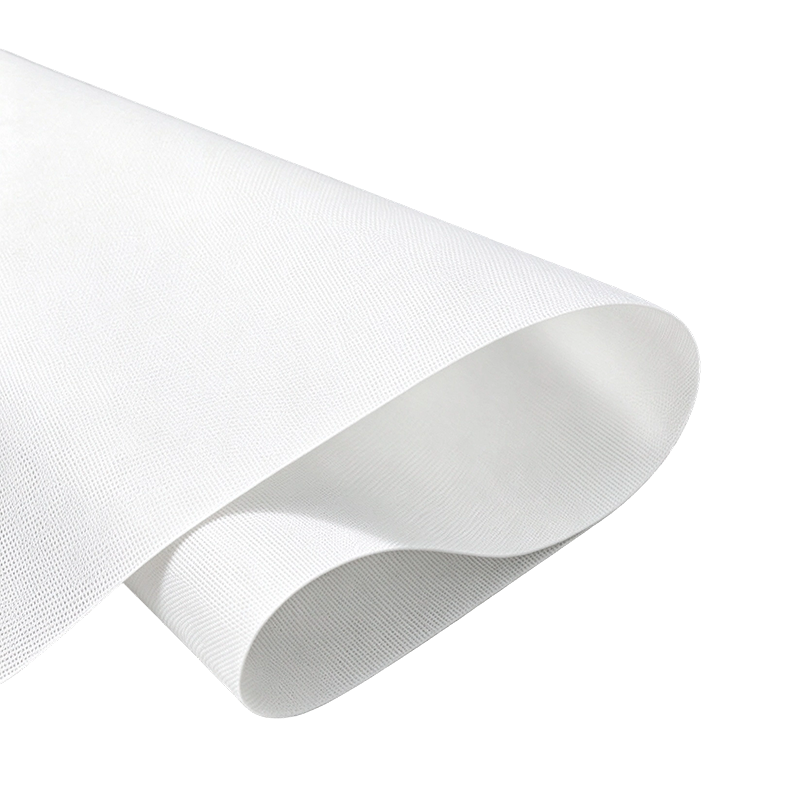 Polypropylene 750A
Plain Weave PP Multifilament Sludge Filter Cloth
-
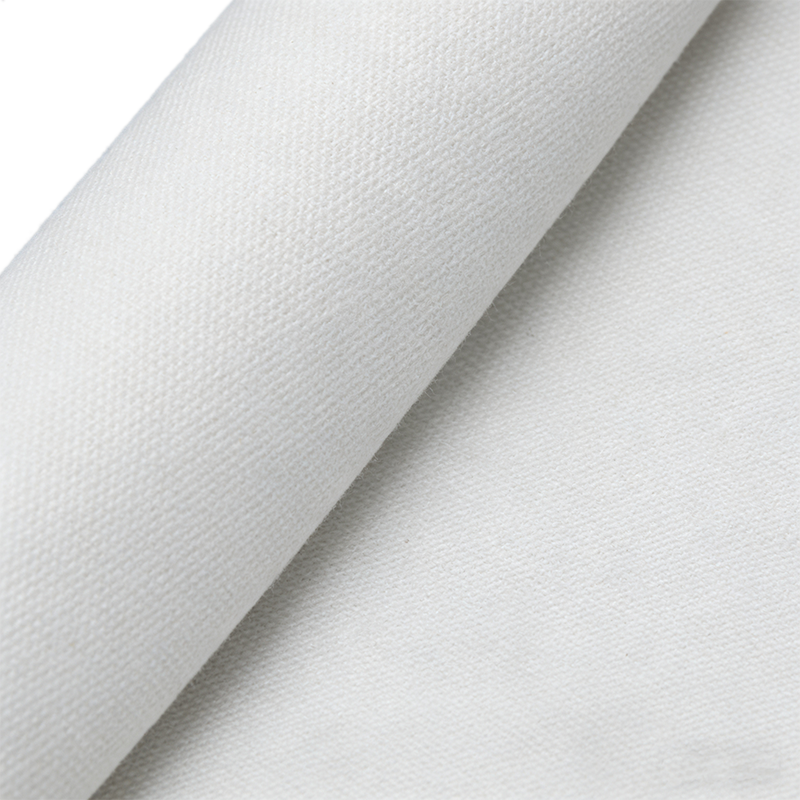 Polypropylene 108C Multifilament Yarn
Twill PP Monofilament Filter Cloth for Separation
-
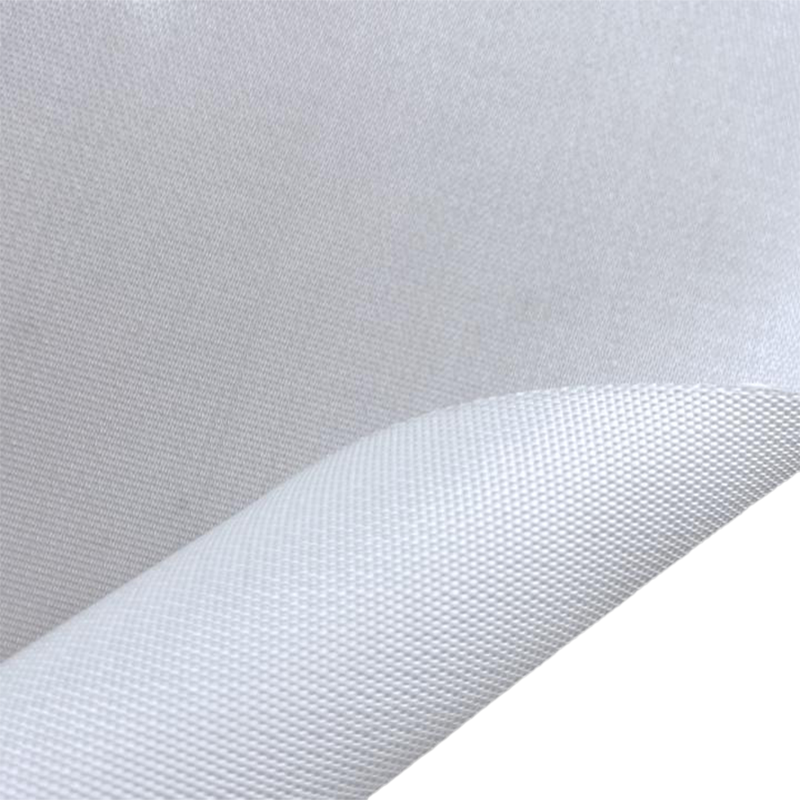 Polypropylene Monofilament and Filament Yarn 1220
PP Press Filter Cloth for Coal Washing
-
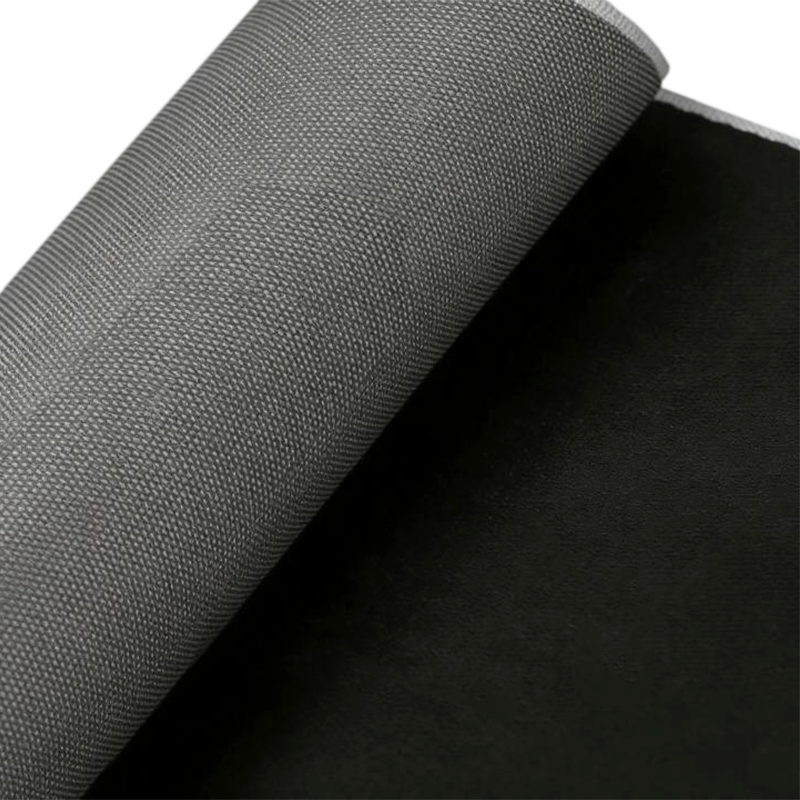 Polypropylene Monofilament and Filament Yarn (PRCH1322)
PP Monofilament Multifilament Woven Filter Cloth
-
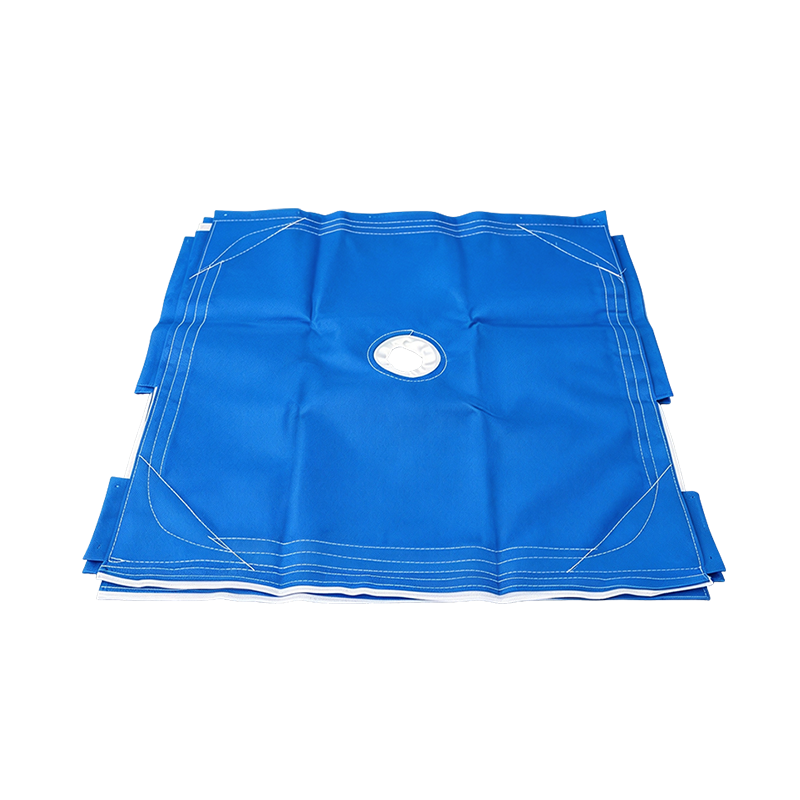 PAG61225
Blue Nylon Monofilament Filter Cloth for Industrial Presses
-
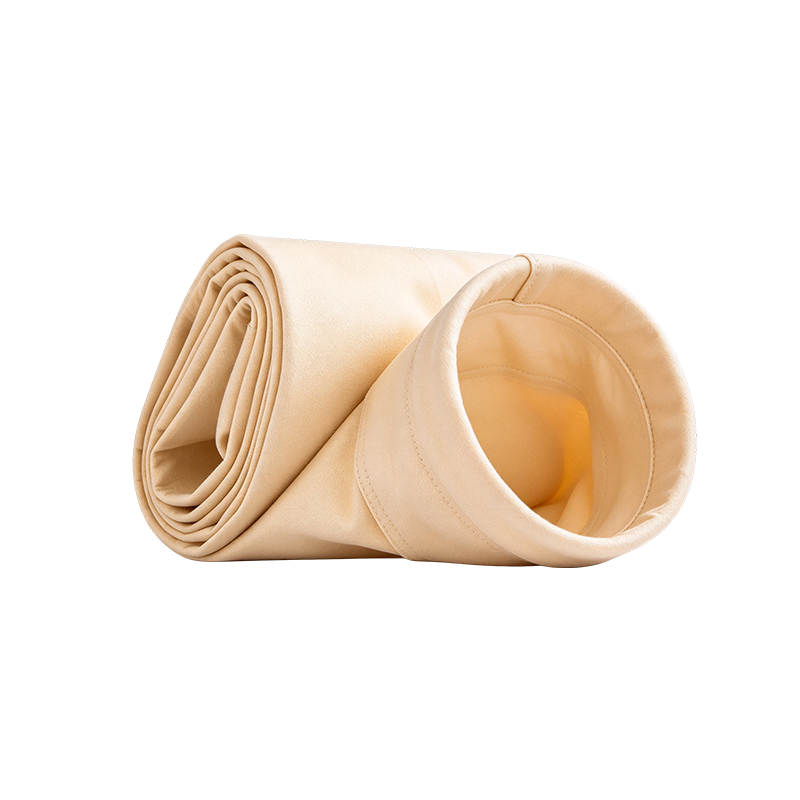 PPS Dust Collection Bags
High Temperature PPS Dust Filter Bag
-
 PTFE Dust Collection Filter Bags
Corrosion Resistant PTFE Dust Filter Bag
-
 Acrylic Dust Collection Bags
Acrylic Nonwoven Dust Filter Bag for Baghouse Systems
-
 621 Polyester Octagonal Bag
Recessed Octagonal Filter Bag for Filter Press
-
 Polypropylene Octagonal Bags
PP Multifilament Recessed Octagonal Filter Bag
-
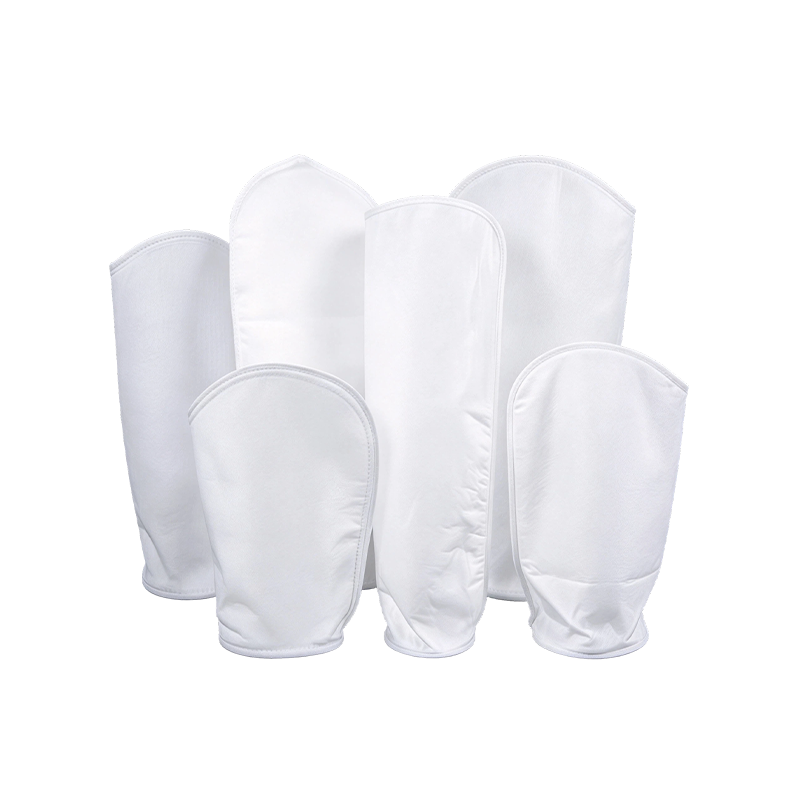 Microporous Membrane-Coated Filter Media
PP PE Nonwoven Liquid Filter Bag for Water Treatment

AIYE FILTER CLOTH MAKING FILTRATION MORE EFFICIENT
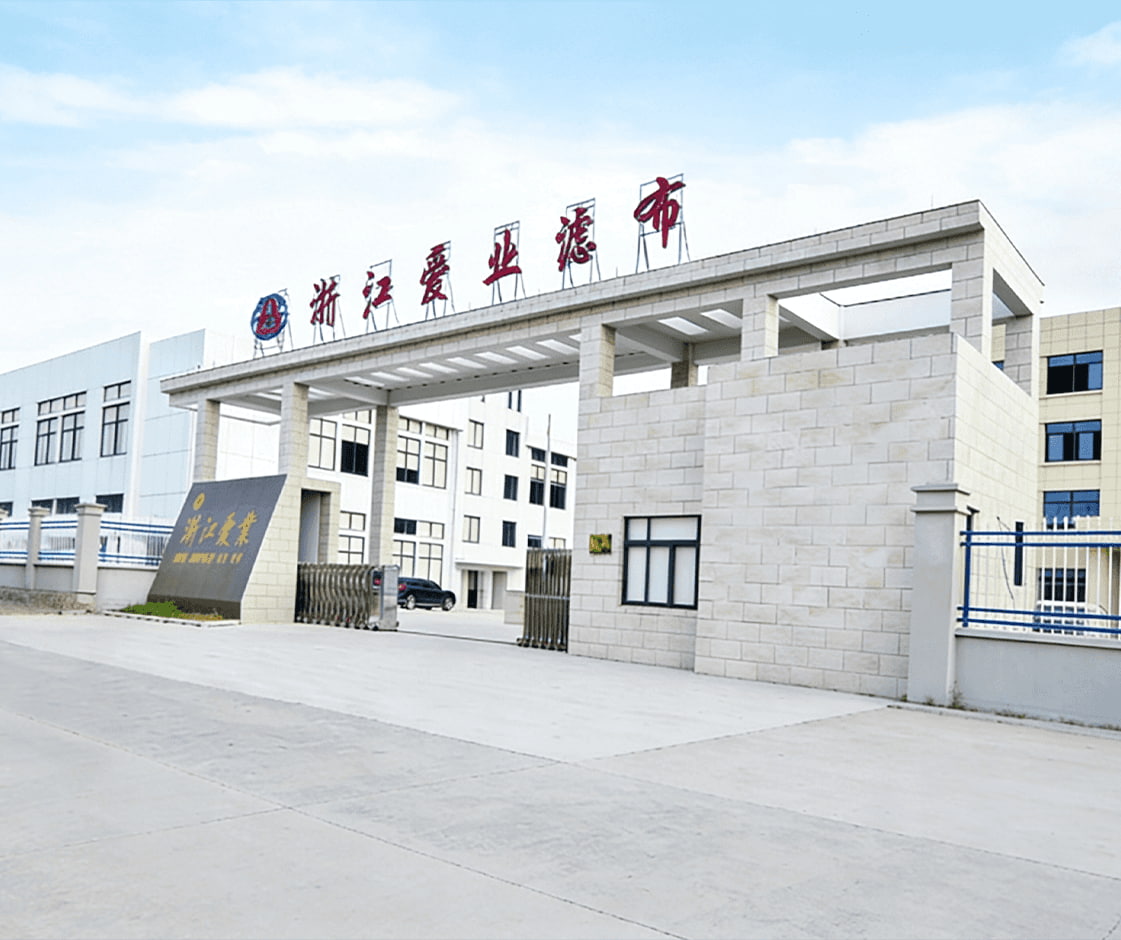
SINCE 2001
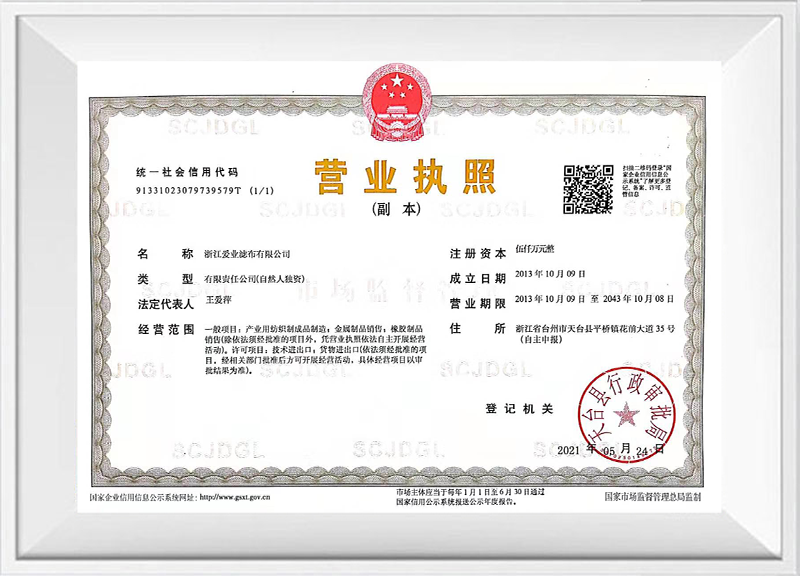
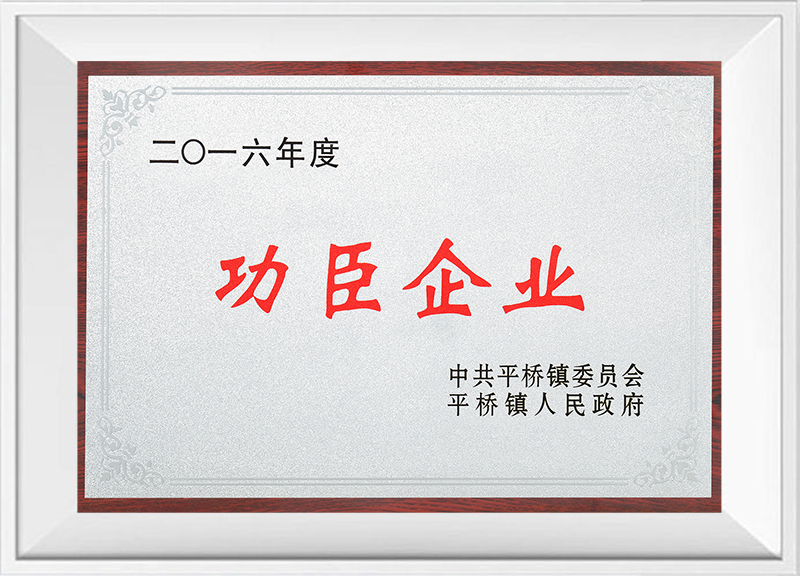
Ready to Begin?
Get in Touch

Now!
Product Categories
Contact Us

miggle@aiyefiltercloth.com
mona@aiyefiltercloth.com
mira@aiyefiltercloth.com

(+86)13515763955

No. 35 Huaqian Avenue, Pingqiao Town, Tiantai County, Taizhou, Zhejiang, China
